

Harvest Lessons from the Honey Bees
There is something profoundly humbling about harvesting honey.
For months, we watch the bees leave the hive in the morning and return carrying what they've gathered from a landscape much larger than our own garden. They visit clover, trees, wildflowers, herbs, roadside plants, and countless blooms we may never notice ourselves.
One flower at a time. One trip at a time. One tiny contribution at a time.
Eventually, those thousands upon thousands of journeys become something we recognize immediately: a frame heavy with honey.
When we harvest it, it's easy to focus on the honey itself.
But keeping bees has taught me that the honey may actually be the least interesting part of the story.
The greater lessons are about abundance, preparation, community, and knowing when enough is enough.
Honey Is Stored Summer
Open a jar of local honey in January and you're opening a little piece of summer.
The nectar inside it was gathered when gardens were flowering, trees were green, and fields were alive with insects. The bees collected that nectar, carried it home, transformed it, reduced its moisture, stored it in wax cells, and eventually capped those cells for safekeeping.
They weren't making honey for us.
They were preparing for winter.
That's an important distinction.
Honey is the colony's pantry. When flowers disappear and cold weather prevents the bees from flying, those stores become their food.
As beekeepers, we're fortunate when a healthy colony produces enough surplus that we can share in the harvest.
And surplus is the important word.
Abundance Doesn't Mean Taking Everything
The sight of frames filled with capped honey can create a powerful sense of abundance.
There is so much.
But abundance and excess aren't necessarily the same thing.
A colony may appear incredibly productive in late summer while still needing substantial stores to carry it through winter. What looks like "extra" to us may look very different from the perspective of thousands of bees facing several months with few opportunities to forage.
That means harvesting honey requires restraint.
We don't simply ask:
How much can we take?
We also have to ask:
How much should we leave?
That question extends far beyond the apiary.
Gardens teach it too.
So do orchards, forests, and wild places.
When we harvest herbs, collect seeds, gather wild plants, or take food from the land, responsible harvesting asks us to consider what remains after we leave.
There is a difference between harvesting from abundance and extracting everything available.
The bees make that difference remarkably clear.
Preparation Begins Long Before Winter
By September, we're beginning to think about winter.
The bees have been thinking about it much longer.
Throughout the growing season, the colony has been preparing for a time when flowers will no longer be abundant. Nectar becomes honey. Pollen is stored. Comb is built and repaired. The population of the colony changes as the seasons progress.
Winter preparation isn't an event that suddenly occurs when temperatures fall.
It is the result of thousands of small actions taken over many months.
There's a lesson there for us.
We often wait until we need something before thinking about preparation.
The first truly cold morning reminds us that the furnace needs attention. The first illness of the season sends us looking through the home apothecary. The first snowstorm suddenly makes the pantry seem important.
Nature rarely operates that way.
The garden spends months producing seeds for another year.
Trees begin preparing for dormancy long before their final leaves fall.
And honey bees spend much of the growing season preparing for months they cannot yet see.
Preparation isn't pessimism.
It's simply part of living within seasons.
No Bee Makes a Jar of Honey
Perhaps the most extraordinary thing about honey is how completely it represents collective effort.
There is no single bee responsible for a frame of honey.
Some bees forage. Others receive nectar when the foragers return. Bees tend brood, build comb, regulate temperature, defend the colony, clean the hive, and perform countless other tasks throughout their lives.
The honey exists because the colony functions as a community.
That's easy to romanticize, but I think there's something genuinely useful in observing it.
We live in a culture that places enormous emphasis on individual accomplishment.
We celebrate the person who built the business, grew the garden, wrote the book, created the product, or accomplished the goal.
But very little of what any of us accomplish is truly solitary.
Someone taught us.
Someone grew our food.
Someone made our tools.
Someone encouraged us.
Someone answered a question.
Someone showed up when we needed another pair of hands.
Like a frame of honey, most worthwhile things are the result of more contributions than we can easily see.
The Landscape Is Part of the Hive
Keeping bees also changes the way you look at your surroundings.
Before bees, a patch of clover may simply be a patch of clover.
After bees, it becomes forage.
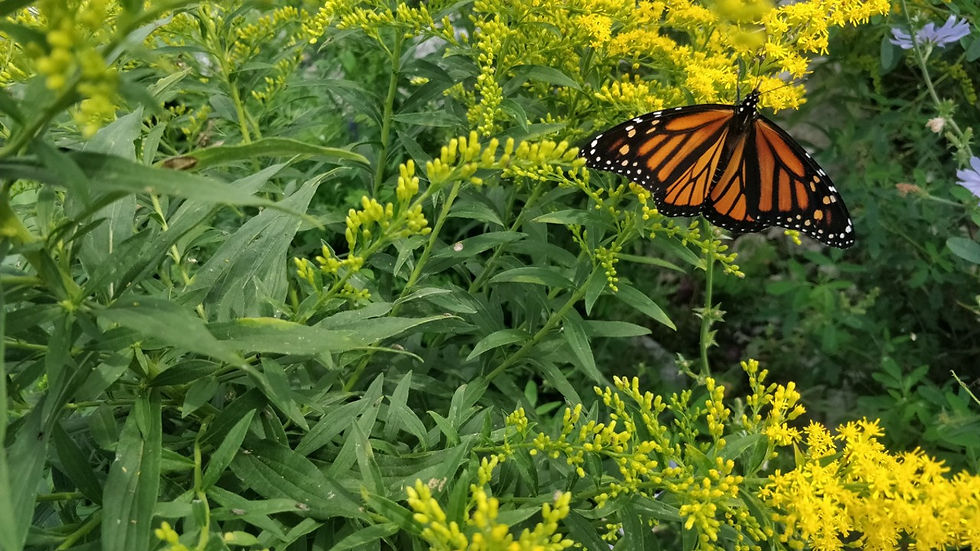
A blooming linden tree becomes an event. Goldenrod along the roadside becomes something worth watching. Dandelions stop looking like weeds and begin looking like one of the earliest available food sources of spring.
The boundaries of the apiary suddenly become difficult to define.
The hive may sit on our property, but the colony depends upon an entire landscape.
Our gardens matter.
So do our neighbors' gardens.
So do roadside flowers, farms, parks, woods, vacant lots, and places we may never visit.
That's one of the reasons planting for pollinators matters so much. A small patch of flowering herbs may seem insignificant to us, but it becomes part of a much larger network of resources available to bees and other pollinating insects.
Lavender, thyme, oregano, mint, anise hyssop, bee balm, echinacea, and many other plants can provide both beauty for us and forage for insects when allowed to flower.
Sometimes supporting nature doesn't require doing something enormous.
Sometimes it means allowing something to bloom.
The Harvest Is Only Part of the Story
Honey harvest day is exciting.
There is the weight of the frames, the scent of wax and honey, the process of uncapping comb, and eventually that remarkable moment when honey begins flowing into a container.
But harvesting isn't the end of the beekeeping year.
In many ways, it's the beginning of another phase.
Once honey has been removed, our attention turns increasingly toward the colony itself.
Are their remaining stores adequate?
Is the colony healthy?
Is the queen laying appropriately for the season?
What needs attention before cold weather arrives?
The questions change because the season has changed.
That's something I appreciate about working with living systems.
There is never really a finish line.
The garden isn't "finished" when we harvest tomatoes.
Herbalism isn't finished when a tincture goes into a bottle.
Beekeeping isn't finished when honey goes into a jar.
Each harvest leads naturally into preparation for what comes next.
What the Bees Have Taught Me About Enough
Perhaps the most valuable lesson from the honey harvest is also one of the simplest:
Enough is a meaningful measurement.
Not maximum.
Not everything available.
Enough.
Enough honey for us to enjoy and share.
Enough left behind for the bees.
Enough flowers allowed to bloom.
Enough work completed for today.
Enough preparation to meet the next season thoughtfully without trying to control everything that might happen.
The natural world rarely seems interested in endless accumulation.
Plants grow, flower, seed, and rest.
Bees gather while flowers are available and rely upon those stores when they aren't.
Seasons of abundance are followed by seasons of conservation.
Perhaps that's why harvesting honey feels different from simply obtaining another food.
A jar of honey represents an entire season.
It contains thousands of flights, countless flowers, warm afternoons, summer rain, flowering trees, roadside weeds, garden herbs, and the work of a colony preparing for a winter it somehow knows will come.
When we bring some of that honey into our own homes, we're participating—very briefly—in that larger seasonal story.
And perhaps the most respectful thing we can do is remember that the harvest was never ours alone.
It belongs first to the bees.
We are simply fortunate enough to share in their abundance.
You can watch part one of our honey harvest video today on our YouTube Channel. Please like and subscribe if you enjoy our videos!
Part Two of the Honey Harvest will premiere on September 21, 2026. You can watch it then by clicking below
At Verdigris Market Garden, we believe herbalism isn’t just a practice—it’s a lifestyle rooted in connection, care, and conscious choices. On our website, www.verdigrismarketgarden.com, you’ll find an ever-growing selection of plant-based apothecary, personal care, and wellness products, handcrafted in small batches with the herbs we grow right here on our off-grid urban farm.
For deeper guidance on bringing herbal wisdom into everyday life, check out my books: Everyday Herbal: Solutions for Natural Living and Herbal & Holistic Healthcare for Men—both available online and on Amazon.
Stay connected with us on Instagram, Facebook, and YouTube for daily inspiration, seasonal updates, and new videos from the garden and beyond.


Comments